

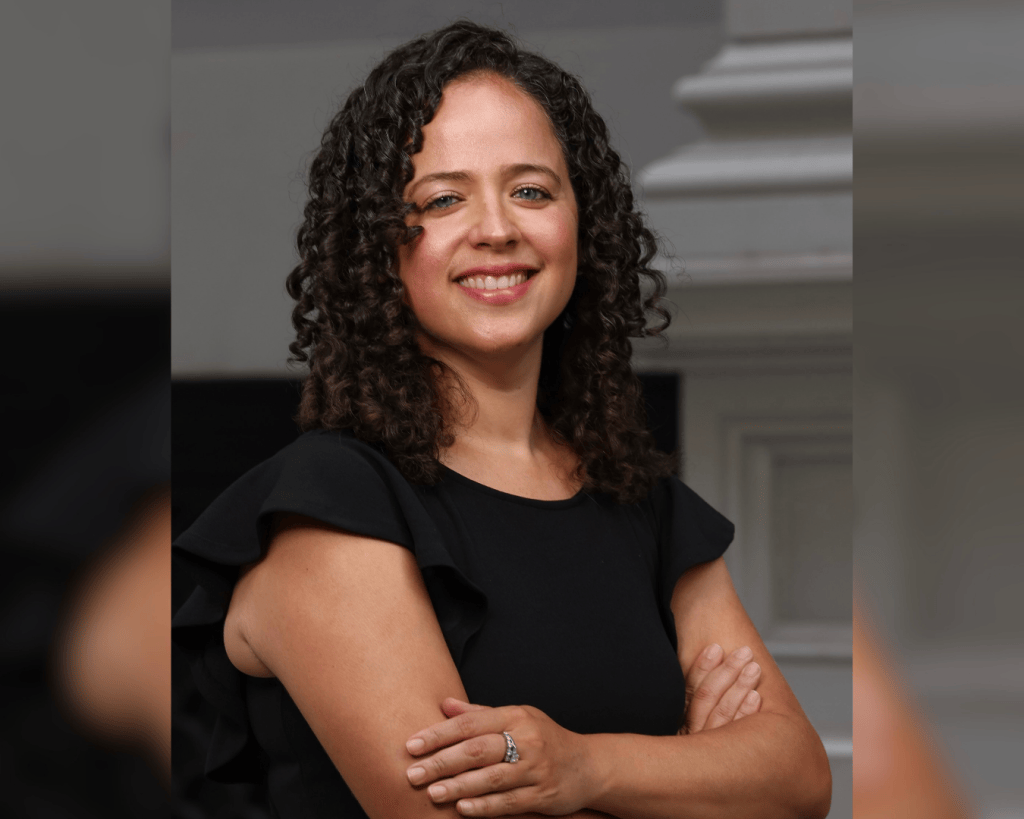
Kalie Nitzsche, a 2011 Barry University MBA graduate, is helping her alma mater keep financial aid with the students who need it most. Fuzzy Verify, the AI-powered identity verification platform she founded after being deceived by a fake online dating profile, now gives Barry a first line of defense against “ghost students,” fraudsters who use fake or stolen identities to collect aid and disappear. Since Barry added the optional, one-minute check to its admissions application in August, the check has reduced manual identity-verification work for admissions staff during peak application season.
More applicants are embracing Barry’s new identity-verification step. As of November 5, more than two-thirds had reached the verification instructions. Fuzzy Verify had returned an identity-verification outcome for more than 2,000 applicants, with more than 1,600 successfully verifying their identities. The additional safeguard helps Barry confirm that real people are behind those applications and protect against applications submitted using fake or stolen identities.
“Kalie embodies the values we hope every Barry graduate carries into the world,” said Barry University President Mike Allen. “She turned a difficult moment in her life into technology that protects others, and when it came time to bring it to a university, she chose to begin at home. We are proud that Barry is the first to stand alongside her.”
Most importantly, the step protects aid dollars. Each year, people using fake or stolen identities apply to universities, secure financial aid, and disappear. According to U.S. Department of Education figures for 2025-26, each of these “ghost students” can put up to $19,900 in federal aid at risk annually, and nationally the fraud puts more than $1 billion at risk each cycle. By confirming a real person is behind verified applications before aid is disbursed, Barry can direct financial aid and scholarships to the students who need them most.
Barry is Fuzzy Verify’s first university partner in building AI-powered identity verification directly into its admissions application. The step is optional, never blocks an application, and offers an alternative pathway to students who cannot verify online. The partnership began with a pilot program in the School of Business and expanded university wide in August.
“We vetted Fuzzy thoroughly, and the design was what convinced me: Barry holds none of their identity documents, and we learn whether someone verified, never why they didn’t,” said Yvette Brown Koottungal, Vice President for Digital Transformation and Chief Information Officer at Barry University.
“Barry gave me my start, so bringing Fuzzy to my alma mater first means everything,” shared Nitzsche. “I built Fuzzy after being deceived by a fake identity myself. Now it helps make sure scholarship dollars reach real students at the university that shaped me, and that is the impact I hoped for.”
Nitzsche played on Barry’s women’s soccer team, graduated in 2009 as salutatorian of the university’s Andreas School of Business, and later earned her MBA at Barry. She is the founder of Fuzzy Technologies, a company that grew out of her own experience falling victim to a romance scam that started on a dating app. When she could not find an easy, affordable way for consumers to verify identities online, she created one. She has since raised more than $2.5 million in investment, advised members of Congress on legislation to protect people from digital fraud and impersonation, and spoken at Inc. magazine’s Founder’s House at SXSW.


Leave a Reply