

In a field often dominated by outdated stereotypes and narrow definitions of who is impacted by eating disorders, new research is offering a necessary shift. The recent publication “Applying the Multicultural and Social Justice Counseling Competencies to Eating Disorder Treatment” in The Professional Counselor, presents a compelling call to action: if we are to truly support all individuals affected by eating disorders, counseling professionals must adopt more inclusive, culturally responsive, and socially just approaches.
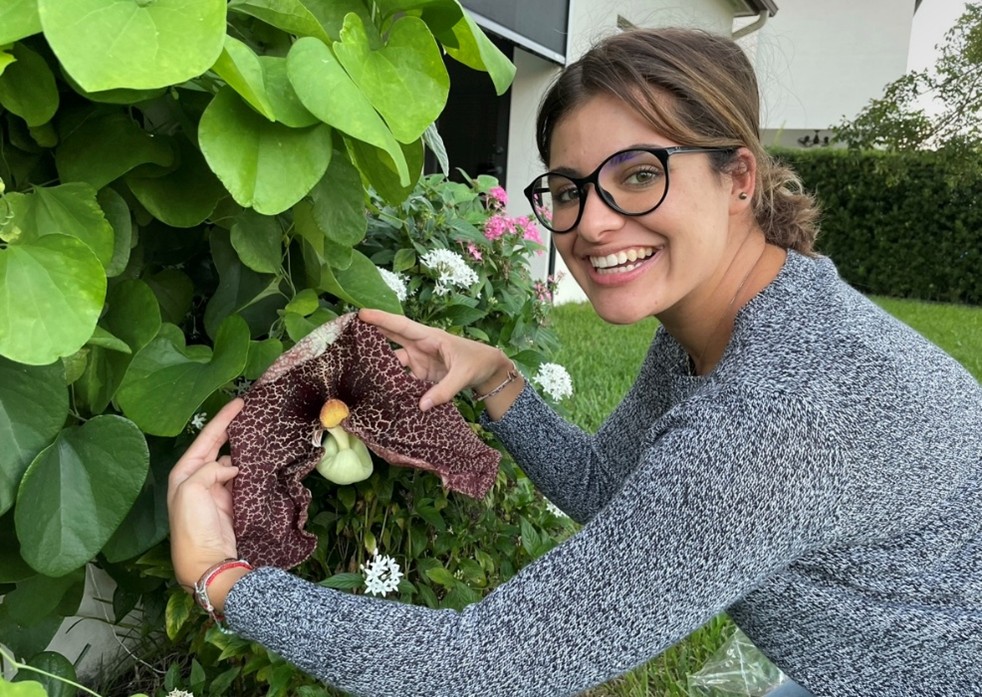
Among the researchers behind this vital contribution is Alyssa A. Vazquez, LMFT—a doctoral student and adjunct faculty member at Barry University. Vazquez, alongside co-authors Dr. Adriana C. Labarta and Dr. Danna Demezier, brings both clinical insight and academic rigor to an issue that has long demanded more representative exploration.
The paper takes direct aim at the long-standing “SWAG” myth—short for “skinny, white, affluent girls”—which has historically framed the narrative of who struggles with eating disorders. This stereotype not only distorts public perception, but more critically, contributes to systemic gaps in diagnosis, treatment, and recovery outcomes for marginalized communities.
Vazquez and her co-authors highlight the significant disparities experienced by individuals across racial, ethnic, gender, sexual orientation, ability, and socioeconomic spectrums. Through their work, they argue that these disparities can be addressed using the Multicultural and Social Justice Counseling Competencies (MSJCC), a framework designed to help counselors recognize their own biases, understand client worldviews, develop strong therapeutic relationships, and advocate at both the individual and systemic level.
One of the key takeaways from the article is the need to bridge the training gap in eating disorder treatment, especially when it comes to recognizing how intersectional identities shape a client’s experience. The authors advocate for counselor educators and supervisors to embed eating disorder content into counseling curricula in more inclusive, reflective ways.
This is where Barry University stands out. With faculty and scholars like Vazquez contributing directly to the national conversation, Barry is uniquely positioned to influence how future counselors are trained—not only to diagnose and treat, but to advocate and empower.
By grounding their work in real-life scenarios and actionable strategies, the article not only assesses the current system—it provides a roadmap for transformation. Thanks to the MSJCC, counselors are encouraged to move beyond traditional frameworks and co-create healing environments that honor the full complexity of their clients’ identities.
Thanks to the contributions of scholars like Alyssa A. Vazquez, the conversation around eating disorders is expanding. And with that expansion comes the possibility for a more equitable, affirming future in mental health treatment—one that recognizes every body, every culture, and every story.


 Barry University Blog
Leave a comment