
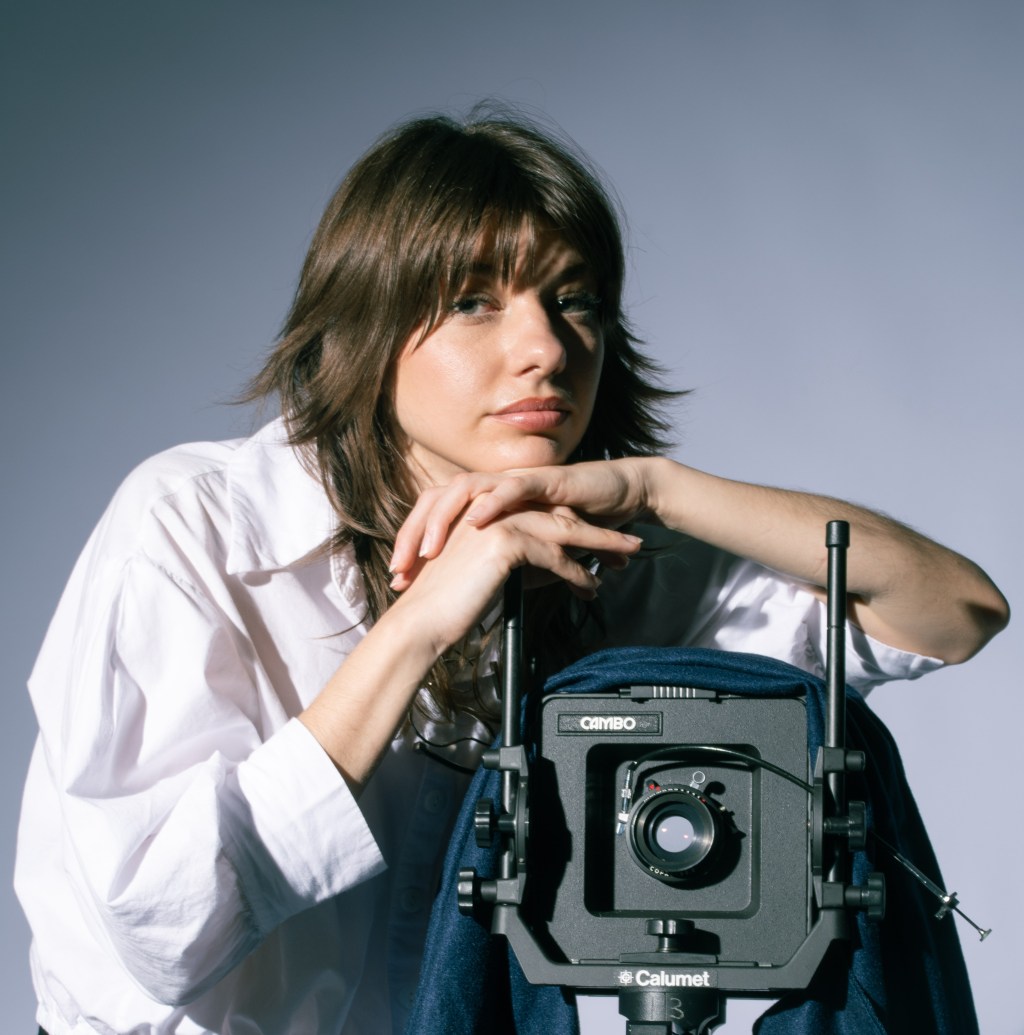
Brazilian artist and Barry University photography student, Bruna Marcon Weber, has shared with TRAF Magazine her work Spirits Going Through, a collection of images that elegantly combines light painting with her need for emotional support through art.
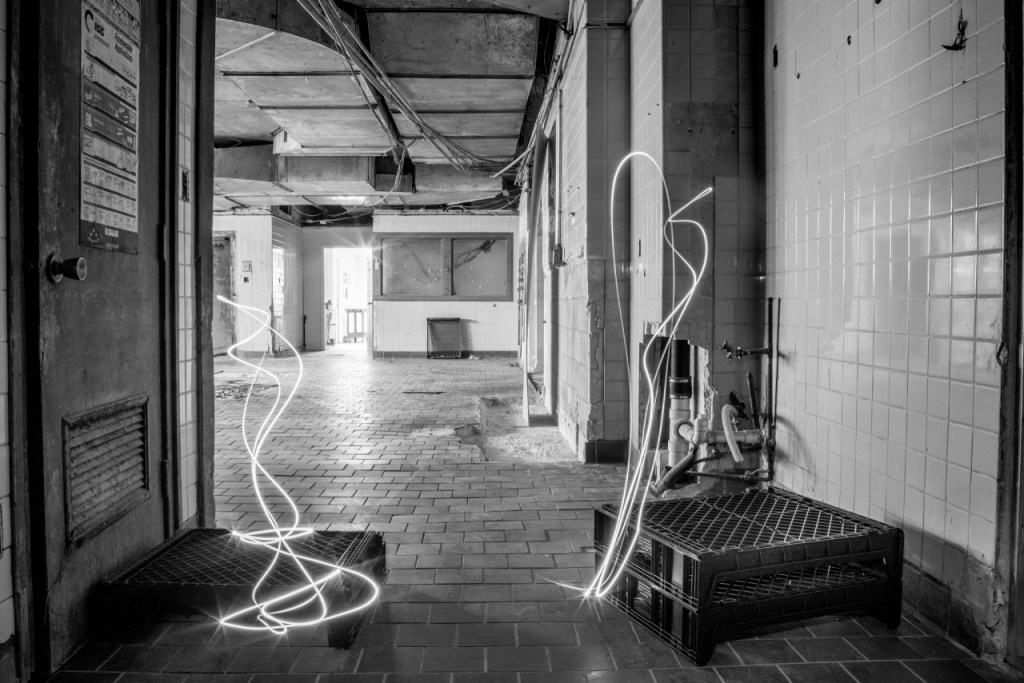
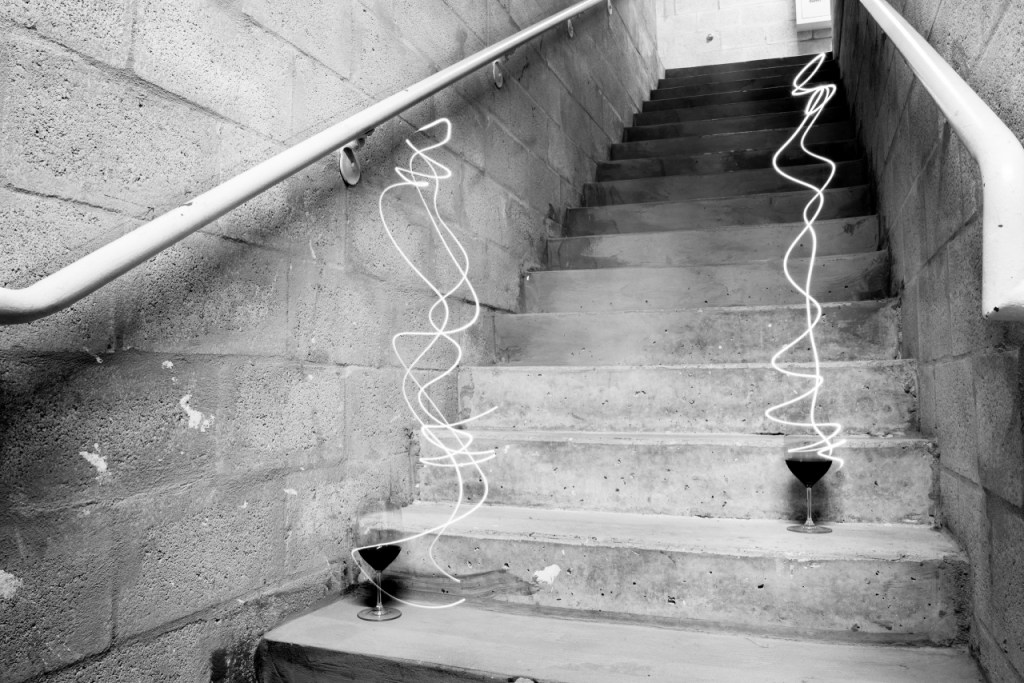
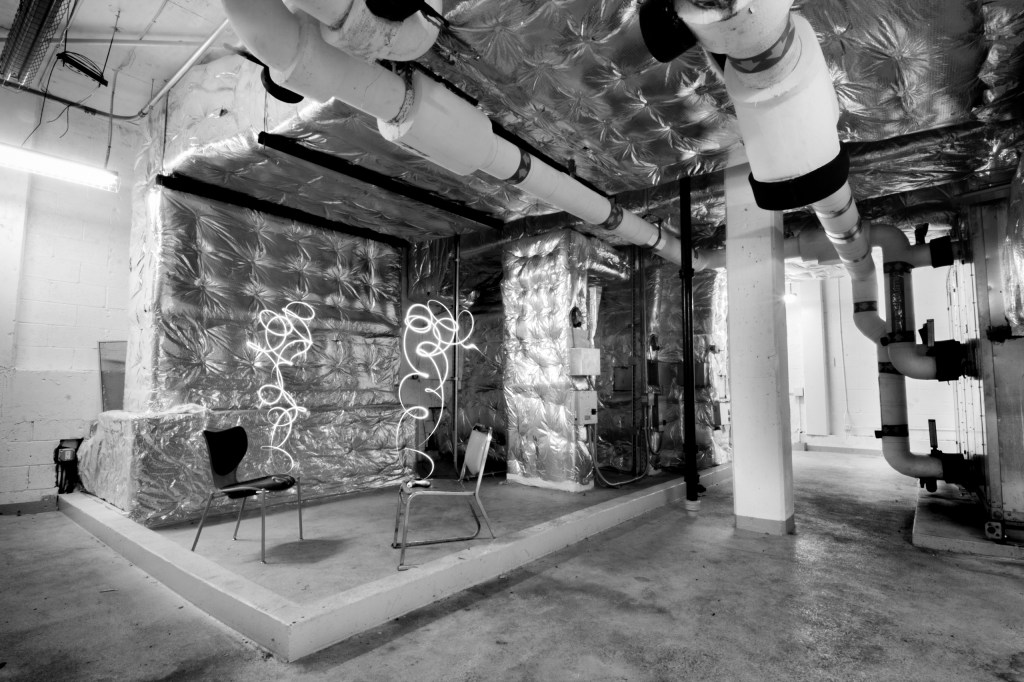
The images for Spirits Going Through were captured by Bruna in various abandoned spaces in Miami. Initially intended as a commentary on the housing crisis, the project transformed into an intimate narrative about nostalgia, conveyed through spectral figures who appear unexpectedly, trying to coexist with their surroundings. “Go Through means to pass through something, generally something painful,” explains the Brazilian photographer. “The project is about my longing to have people by my side who aren’t here while I work through creating a new dynamic in my life.” The images are both descriptive and unsettling, challenging viewers to interpret an intimate version of everyday scenes, fragmented like in a dream.

How did Spirits Going Through begin?
I was working on another project documenting abandoned properties. At first, I was drawn to it aesthetically. While researching, I discovered that, in 2023, Miami had a ratio of 36.55 vacant properties per homeless person, according to a United Way NCA study—a fact that grabbed my attention. However, I couldn’t visually develop the project in a way that brought a unique perspective. So, I started experimenting with light painting (the art of creating photographs by setting long exposure times on a camera and using a moving light source to ‘paint’). Initially, I created random shapes. The concept developed as I practiced, refining my light movements.

There are also elements of abandonment and decay.
Yes, when I developed this, I looked for deteriorated spaces to represent my discomfort with my situation. From the beginning, I intended to use visibly abandoned spaces, with dirt, decay, and overgrown weeds, to symbolize something on the fringes—how I feel as an immigrant. But your question makes me think about abandonment from another angle—not about feeling abandoned but rather having abandoned the life I used to have and the relationships I miss, having left behind what was familiar.
Why do you shoot in black and white?
I actually shot in color. In many of these places, the light was minimal. Where there was electricity, it was fluorescent lighting, and I saw these spaces as depressing. Black and white brings a sense of uniformity. I felt like I had to find or create something beautiful, something pleasant, amid the discomfort. Black and white is that beauty.
How did you get into photography?
It wasn’t a door I walked through and stayed. It was more like a labyrinth where I got lost, searching erratically for the way. I consider myself at the beginning of my career, and I feel I’ll only start creating solid work after at least ten years of consistency in my craft. The graduate program in photography at Barry University, where I am now, has been instrumental in taking my craft to the next level.
Full article in Spanish can be found here: https://traf-magazine.com/reportaje/bruna-marcon-weber/


 Barry University Blog
Leave a comment